




Piles, also known as hemorrhoids, are swollen and inflamed veins around the anus or lower rectum. They are a common condition and can affect both men and women.
Symptoms may include itching, irritation, discomfort, swelling and, in some cases, bleeding during bowel movements. Internal and external piles can present differently, so persistent or unusual symptoms should not be ignored.
What Causes Piles?
Several everyday factors can increase pressure around the veins in the lower rectum. Common factors include:
- Constipation and hard stools
- Straining during bowel movements
- Sitting on the toilet for a long time
- A diet low in fibre
- Frequent heavy lifting
- Long-lasting diarrhoea or constipation
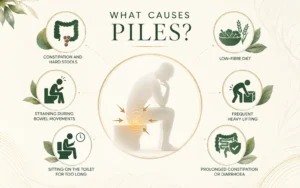
Constipation and straining are particularly important because repeated pressure during bowel movements can contribute to hemorrhoids.
5 Simple Habits That May Help
1. Add More Fibre to Your Diet
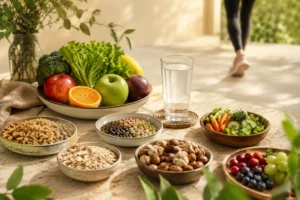
Fibre can help make stools softer and easier to pass. Include vegetables, fruits, whole grains, legumes and other fibre-rich foods in your daily diet.
2. Stay Hydrated
Adequate fluid intake helps fibre work effectively and can support softer stools.
3. Avoid Excessive Straining
Try not to force a bowel movement. Straining can increase pressure on the veins around the anus.
4. Don’t Spend Too Long on the Toilet
Long periods of sitting on the toilet can increase pressure in the area. Try to keep bathroom time short.
5. Stay Physically Active
Regular physical activity can support healthy bowel movements and help reduce constipation.
A Better Approach to Digestive Wellness
Piles care is not only about managing discomfort when it appears. Supporting regular bowel movements, maintaining adequate fibre and fluid intake, and following healthy toilet habits can be an important part of long-term digestive wellness.
HAREEVA PILEXO is an Ayurvedic proprietary formulation designed to provide supportive care for piles and digestive wellness. It can be considered alongside a healthy lifestyle and appropriate dietary habits.
Important
Rectal bleeding should not automatically be assumed to be caused by piles. If bleeding is persistent, heavy, associated with severe pain, or accompanied by other concerning symptoms, consult a qualified healthcare professional.