



Constipation and piles (hemorrhoids) often occur together. When stools become hard or difficult to pass, people may strain during bowel movements. Repeated straining can increase pressure around the veins in the lower rectal area and may contribute to hemorrhoid symptoms.
The good news is that simple daily habits can support regular bowel movements and better digestive wellness.
What Is Constipation?
Constipation is a common digestive problem in which bowel movements become difficult or stools become hard and dry.
Common signs of constipation may include:
- Hard or dry stools
- Difficulty passing stools
- Straining during bowel movements
- A feeling that the bowel has not completely emptied
- Bowel movements that are less frequent than usual
Constipation can have many causes, including a diet low in fibre, inadequate fluid intake, limited physical activity and regularly ignoring the urge to have a bowel movement.
How Can Constipation Contribute to Piles?
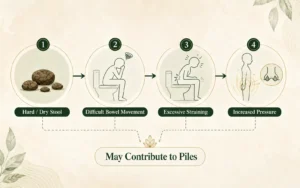
One of the main connections between constipation and piles is straining.
When stool is hard or difficult to pass, you may need to push harder during a bowel movement. Repeated or excessive straining can increase pressure around the veins in the lower rectal and anal area.
Over time, this increased pressure may contribute to the development or worsening of hemorrhoids.
A simple way to understand the connection is:
Hard Stool → Difficult Bowel Movement → Straining → Increased Pressure → May Contribute to Piles
However, constipation is not the only factor associated with piles. Hemorrhoids can have several contributing factors, and not everyone with constipation will develop them.
Why Hard Stools Can Make Bowel Movements Difficult
Hard, dry stools can be more difficult to pass than soft stools. This can make bowel movements uncomfortable and may encourage people to strain.
Repeated difficulty passing stool can create a cycle:
Constipation → Straining → Increased Discomfort → More Difficult Bowel Movements
Breaking this cycle starts with supporting softer, more regular bowel movements and developing healthier bathroom habits.
How to Support Regular Bowel Movements
1. Eat More Fibre
Dietary fibre can help add bulk to stools and support easier bowel movements.
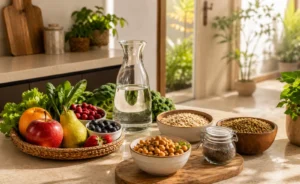
Good sources of fibre include fruits, vegetables, whole grains, pulses and legumes.
If you are not used to eating much fibre, increase your intake gradually rather than making a sudden large change.
2. Stay Hydrated
Adequate fluid intake helps dietary fibre work effectively and can support softer stools.
Make regular hydration part of your daily routine, particularly when increasing your fibre intake.
3. Stay Physically Active
Regular physical activity can support healthy bowel function and may help reduce constipation.
You do not necessarily need an intense workout. Regular walking and other forms of everyday movement can be a useful part of an active lifestyle.
4. Don’t Regularly Ignore the Urge
When you feel the need to have a bowel movement, try not to repeatedly delay it.
Regularly ignoring the urge may make it harder to maintain healthy bowel habits.
5. Avoid Excessive Straining
Try not to force a bowel movement.
Excessive straining can increase pressure around the veins in the anal and lower rectal area and may contribute to hemorrhoid symptoms.
6.Keep Toilet Time Reasonably Short
Avoid spending unnecessarily long periods sitting on the toilet.
A simple bathroom routine, without prolonged sitting or excessive straining, can be a healthier approach.
Can Diet Help With Constipation and Piles?
Diet can play an important role in supporting healthy bowel movements.
A balanced, fibre-rich diet combined with adequate fluid intake can help support softer stools and regular bowel habits.
Instead of focusing on one particular food, aim for an overall balanced routine that includes:
- Plenty of fibre-rich foods
- Adequate fluids
- Fruits and vegetables
- Whole grains and pulses
- Regular physical activity
If you increase fibre, doing so gradually and drinking enough fluids can help your digestive system adjust.
A Better Approach to Digestive Wellness
Managing constipation is an important part of supporting healthy bowel habits. Rather than focusing only on occasional discomfort, developing a consistent routine around fibre, fluids, movement and healthy toilet habits can support overall digestive wellness.
HAREEVA PILEXO is an Ayurvedic proprietary formulation designed to provide supportive care for piles and digestive wellness. It can be considered as part of a broader wellness routine alongside a balanced diet and healthy lifestyle.
Important
Persistent constipation or rectal bleeding should not simply be ignored or assumed to be caused by piles. If you experience significant bleeding, severe pain, persistent symptoms or symptoms that do not improve, consult a qualified healthcare professional.